
Feedback on Student Writing

Last week we considered Feedback for Writing inspired by Bean & Elbow. We spoke about the shifting perspective involved in being a student and receiving a paper back, verses being a teacher who faces a voluminous stack of papers to evaluate. We also spoke about the constraints of time. Somewhere in between student vs. teacher perspective lies a real need to develop an effective practice – which honors both the developing writer, while still keeping in mind the reality of a teacher’s time constraints. We spoke about the dynamic of care, and how hard it is to give care in professional contexts (teaching), especially if one is not receiving care, and how little evidence there is of an education system that careful (i.e. care-full). I think our discussion drew to light a deeper understanding of the looming backdrop of the real constraints that teachers face in terms of meeting specific assessments, standardized tests, and district administrative expectations. From the beginning, our bridge from writing theory to real life (on-the-ground) practice reveals significant challenges and conundrums.
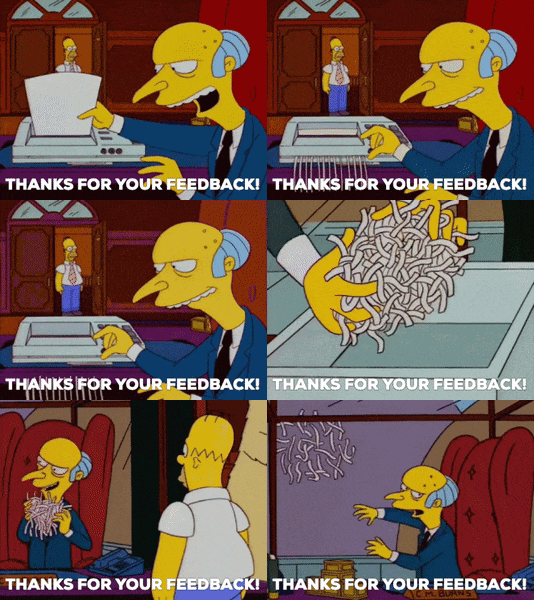
Bean articulates how easy it is, as a teacher, to forget that there is a person behind each essay that is being read (sometimes ripped apart for errors) and graded. It’s also easy to forget that strong feeling of vulnerability which accompanies allowing someone to read your work—especially if that person is in a position to judge you. We considered how much room there is for misunderstanding and misinterpretation between the writer and the writing instructor during feedback. Bean advises teachers to be more mindful of the comments that they write on students’ papers because the worst comments can insult and even dehumanize a student.
Elbow helped us see the way evaluation methods shape student perspectives. It is critical to apprehend that foundational vulnerability that lies at the heart of learning how to write. And I also think it is important for all of us to tap into our own memories of teacher feedback in order to gain that empathetic perspective. The key consideration that emerged was the subtle issue of power that informs teaching and learning contexts. When one has a position of authority/power, it is important to recognize the significant responsibility in that position. Unfortunately in the haste to do one’s job as teacher, sometimes these truths are forgotten or disregarded. But the responsibility that comes with authority should remain front and center in order to maintain a mindful approach to designing an effective learning environment. This is a lot for a teacher to navigate (when there is little supporting them in terms of systemic expectation).
By reviewing these articles carefully, it seems the challenge in responding to student writing becomes more nuanced and complex, and yet, there isn’t a crystal clear pathway to ensure an overall improved strategy. As we continue to bridge theory to practice together, let us attempt to identify some ways (small moves that matter??) to encourage and foster writing in education (and society).
The Danger of a Single Story
Your to-do list:
For October 11 (Independent Work; NO MEETING):
Blog #4 due before 10/11 -Reflection blog post on “The Danger of the Single Story” TED talk (What does this TED talk have to do with our study of writing theory and writing practice?)
For October 18 Class in our Zoom Room:
Read: Voice in Writing Again: Embracing Contraries by Peter Elbow; Blog #5 -Reflection blog post on “Elbow’s “Voice in Writing Again”
